Hello Reader!
Welcome to the blog page of Dr. Nidhi Jindal, the best dermatologist in Newtown, Kolkata
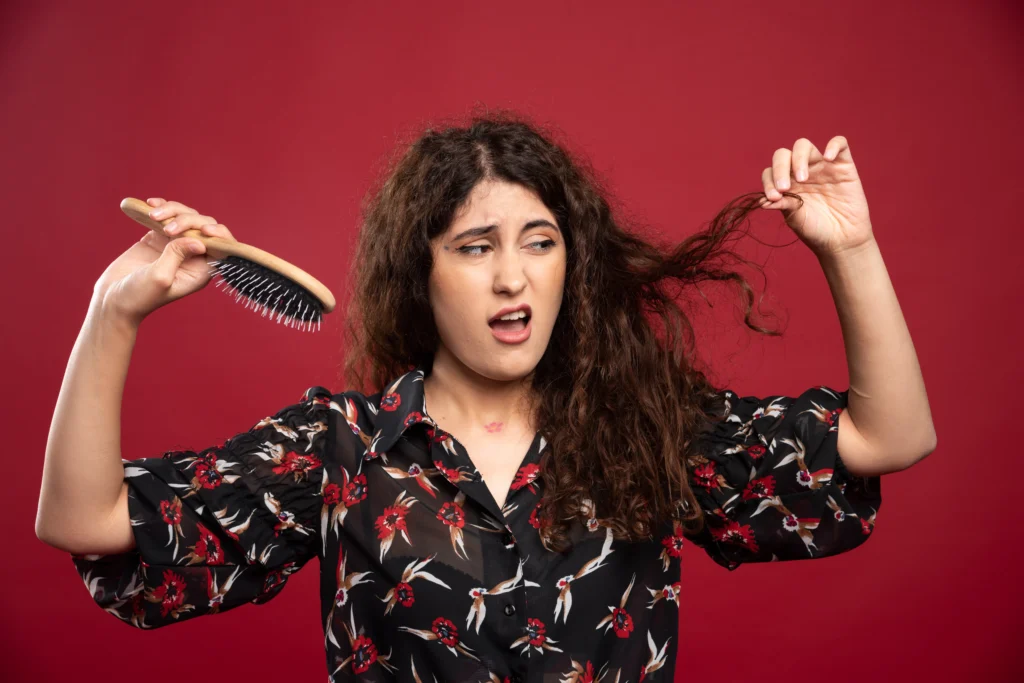
Hair fall is one of the most common concerns affecting both men and women today. While losing a few strands of hair daily is a natural part of the hair growth cycle, excessive hair shedding can be distressing and may indicate an underlying issue. Fortunately, with the right care, lifestyle modifications, and medical guidance, it is possible to Prevent Hair Fall and maintain healthy, strong hair.
As the Best Dermatologist in Newtown, Kolkata, I often see patients struggling with hair loss caused by stress, nutritional deficiencies, hormonal imbalances, poor hair care practices, and environmental factors. Understanding the root cause is the first step toward effective prevention..

Hair fall can occur due to several reasons, including:
Identifying the exact cause can help develop a personalized treatment plan to Prevent Hair Fall effectively.
Your hair requires essential nutrients to grow strong and healthy. Include foods rich in:
A nutrient-rich diet is one of the most effective ways to Prevent Hair Fall naturally.
A clean scalp creates the ideal environment for healthy hair growth. Wash your hair regularly using a mild shampoo suitable for your scalp type. Avoid excessive buildup of oil, dirt, and dandruff, which can weaken hair roots.
Consulting the Best Dermatologist in Newtown, Kolkata can help you select the right products for your scalp condition.
Frequent use of:
can damage hair shafts and increase breakage. Limiting these treatments can significantly Prevent Hair Fall and preserve hair strength.

Stress is a major contributor to hair loss. Chronic stress can push hair follicles into a resting phase, leading to increased shedding.
Stress management techniques include:
Reducing stress is a simple yet powerful way to Prevent Hair Fall.
Water plays a crucial role in maintaining scalp health and hair strength. Dehydration can make hair dry, brittle, and prone to breakage. Aim to drink sufficient water throughout the day.
Tight ponytails, braids, and buns can pull on hair roots and lead to traction alopecia. Opt for loose hairstyles whenever possible to Prevent Hair Fall caused by excessive tension on the scalp.
Gentle scalp massage improves blood circulation and promotes nutrient delivery to hair follicles. Using natural oils like coconut oil or almond oil during massage may further nourish the scalp.
Sleep is essential for cell repair and regeneration. Poor sleep can disrupt hormonal balance and contribute to hair loss. Aim for 7–8 hours of quality sleep every night to support healthy hair growth and Prevent Hair Fall.
Conditions such as dandruff, fungal infections, psoriasis, and seborrheic dermatitis can damage the scalp and contribute to hair loss. Early diagnosis and treatment by the Best Dermatologist in Newtown, Kolkata can help prevent further hair thinning.
If your hair fall continues despite following preventive measures, professional evaluation is important. Hair loss may be linked to underlying medical conditions that require targeted treatment.
Modern dermatology offers several effective options such as:
A qualified dermatologist can recommend the most suitable treatment based on your specific condition.

Many people unknowingly worsen their hair loss through habits such as:
Avoiding these mistakes can help significantly Prevent Hair Fall and improve overall hair health.
Also Read: Should You Consult a Low-Level Light Therapy (LLLT) Doctor Before Lasers?
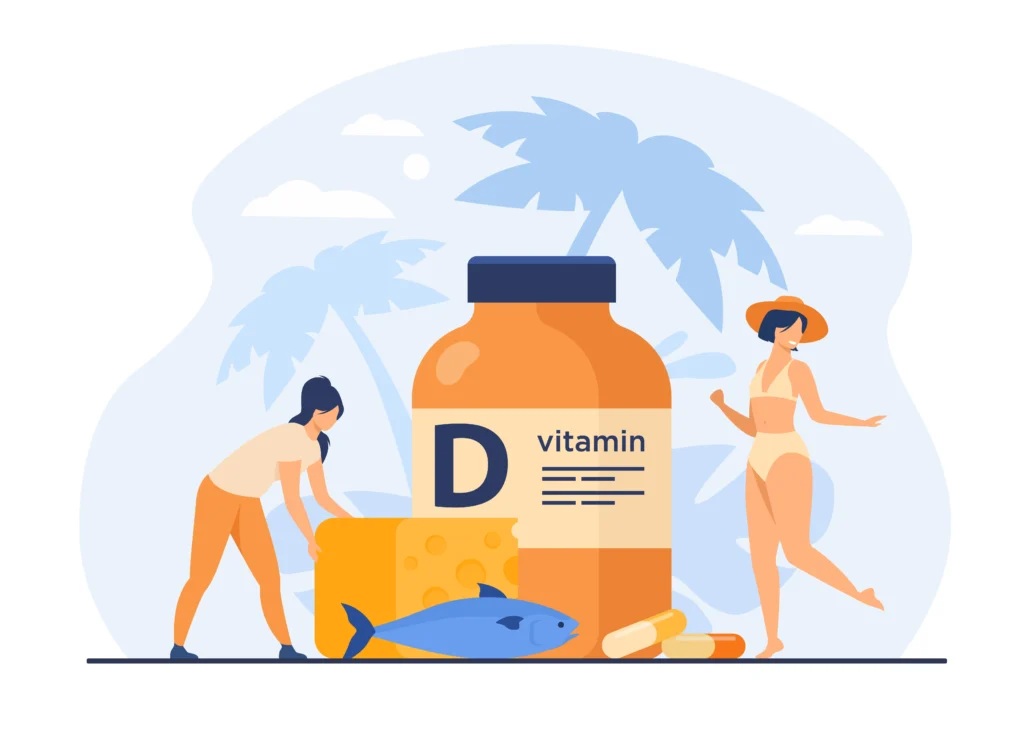
Kolkata patients frequently present with vitamin D and iron deficiencies due to a combination of dietary habits, lifestyle patterns, environmental factors, and cultural practices specific to the region. Here are the key causes:
| Cause | Explanation |
| Limited Sun Exposure | Most Kolkata residents spend 8–10 hours indoors (office/work), especially in air-conditioned environments, reducing UVB exposure needed for vitamin D synthesis |
| Dark Skin Tone | Kolkata’s population has higher melanin content, which reduces the skin’s ability to produce vitamin D from sunlight—requiring 3–5× more sun exposure |
| Dietary不足 (Inadequate Intake) | Traditional Bengali diets are low in vitamin D-rich foods like fatty fish (mackerel, salmon), egg yolks, and fortified milk/cereals |
| Air Pollution & Cloud Cover | Kolkata’s high pollution levels and frequent cloudy days block UVB rays, reducing vitamin D production even during outdoor exposure |
| Sunscreen & Clothing Coverage | Cultural preference for full-sleeve clothing and sunscreen use further blocks UVB penetration |
| Kidney/Liver Conditions | Pre-existing liver/kidney diseases (common in urban populations) impair vitamin D activation |
| Medications | Anticonvulsants, glucocorticoids, weight-loss drugs, and antifungals interfere with vitamin D metabolism |
Prevalence in India: Vitamin D deficiency affects 50–90% of Indians, including urban Kolkata populations, contributing to osteoporosis, diabetes, and cardiovascular diseases.
| Cause | Explanation |
| Inadequate Iron Intake | Many Kolkata patients follow vegetarian diets lacking sufficient heme iron (from meat). Plant-based iron (non-heme) is poorly absorbed |
| Heavy Menstrual Bleeding | Women of childbearing age (15–49 years) lose significant iron during periods—the most common cause of iron deficiency anemia in Indian women |
| Pregnancy & Lactation | Pregnant women need 2–3× more iron for fetal development; inadequate supplementation leads to deficiency |
| Poor Iron Absorption | Conditions like celiac disease, gastric bypass, or chronic gastritis impair iron absorption even with adequate dietary intake |
| Internal Blood Loss | Gastric ulcers, colon polyps, colorectal cancer, and overuse of painkillers (NSAIDs) cause chronic blood loss |
| Vegetarian Diet Without Planning | Vegetarians who don’t consume enough iron-rich foods (lentils, spinach, jaggery, beetroot) or pair them with vitamin C for absorption |
| Parasitic Infections | Intestinal worms (common in parts of West Bengal) cause chronic blood loss and iron depletion |
| Chronic Diseases | Diabetes, heart failure, and chronic kidney disease are independently associated with anemia |
Global Context: WHO reports 2 billion people worldwide have anemia, with 50% caused by iron deficiency—India has one of the highest prevalence rates.

Both deficiencies often occur together in Kolkata patients because:
As the Best Dermatologist in Newtown, Kolkata, Dr. Nidhi Jindal recommends:
Hair follicle miniaturization is the progressive shrinking of hair follicles that leads to thinning hair and eventual balding. This process is the hallmark of androgenetic alopecia (genetic pattern hair loss) and significantly impacts hair density over time.
| Stage | Follicle Changes | Hair Changes |
| Early Stage | Follicle begins shrinking slightly | Hair becomes slightly thinner and finer |
| Mid Stage | Follicle shrinks 30–50% | Hair strands become visibly weaker, shorter, more prone to breakage |
| Advanced Stage | Follicle severely shrinks, becomes dormant | Hair becomes “vellus-like” (peach-fuzz), barely visible to the eye |
| Final Stage | Follicle stops producing hair entirely | Complete baldness in affected area |
| Time Period | What Happens to Density |
| Year 1–2 | Slight thinning; may not be noticeable |
| Year 3–5 | Visible thinning at crown/temples; ponytail feels thinner |
| Year 5–10 | Noticeable scalp visibility; “baby hairs” appear at hairline |
| Year 10+ | Significant balding; large areas of scalp exposed |
Key Point: Hair miniaturization causes thinning long before visible hair loss occurs. By the time you notice balding, miniaturization has been progressing for years.
| Feature | Normal Terminal Hair | Miniaturized Hair |
| Diameter | Thick, robust | Thin, fine, vellus-like |
| Length | Grows 6–7 years | Grows 6 months–2 years |
| Root depth | Deep in scalp | Shallow, less deeply rooted |
| Strength | Strong, resistant to breakage | Weak, prone to breakage |
| Visibility | Clearly visible | Barely visible or “peach fuzz” |
| Color | Strong pigment | Often lighter, less pigmented |
These areas are most sensitive to DHT in androgenetic alopecia.
As the Best Dermatologist in Newtown, Kolkata, Dr. Nidhi Jindal emphasizes: Early detection and treatment of miniaturization can prevent further density loss and potentially reverse early-stage thinning.
Hair miniaturization progressively reduces hair density and thickness over time by:
The key to preserving hair density is early intervention before miniaturization becomes irreversible. If you notice thinning, consult the Best Dermatologist in Newtown, Kolkata for early diagnosis and treatment.
You should seek medical advice if you notice:
Early intervention often provides the best results.
Multiple factors can cause hair fall, but adopting healthy habits and addressing underlying issues can go a long way in helping you Prevent Hair Fall. Proper nutrition, stress management, scalp care, and timely medical attention are essential for maintaining healthy hair.
If you are experiencing persistent hair loss or want a personalized hair care plan, consult Dr. Nidhi Jindal, the Best Dermatologist in Newtown, Kolkata. Professional diagnosis and early treatment can help restore hair health and confidence while effectively working to Prevent Hair Fall for the long term.