Hello Reader!
Welcome to the blog page of Dr. Nidhi Jindal, one of the Best Dermatologist in Newtown, Kolkata.
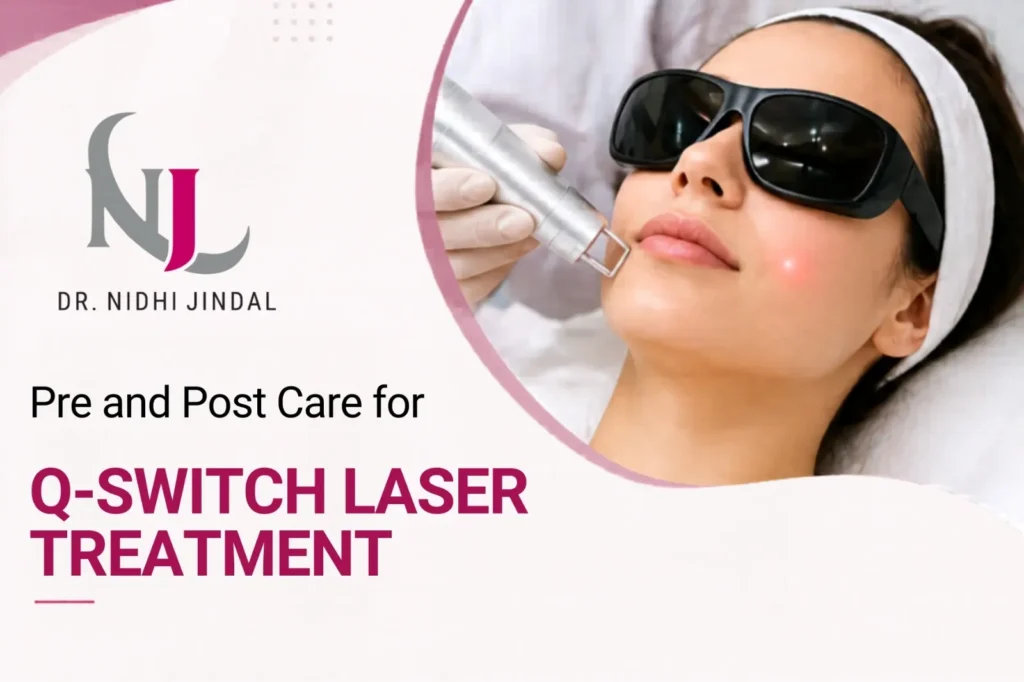
In recent years, Q-Switch Laser Treatment has become one of the most advanced and effective dermatological procedures for addressing skin concerns such as pigmentation, acne scars, uneven skin tone, and tattoo removal. With minimal downtime and impressive results, it is widely recommended by experts, including the Best Dermatologist in Newtown, Kolkata.
However, achieving optimal results from Q-Switch Laser Treatment is not just about the procedure itself—it largely depends on how well you prepare your skin beforehand and care for it afterward. Proper pre- and post-treatment care ensures faster healing, minimizes complications, and enhances the overall outcome.
In this comprehensive guide, we will explore everything you need to know about preparing for and recovering from Q-Switch Laser Treatment.
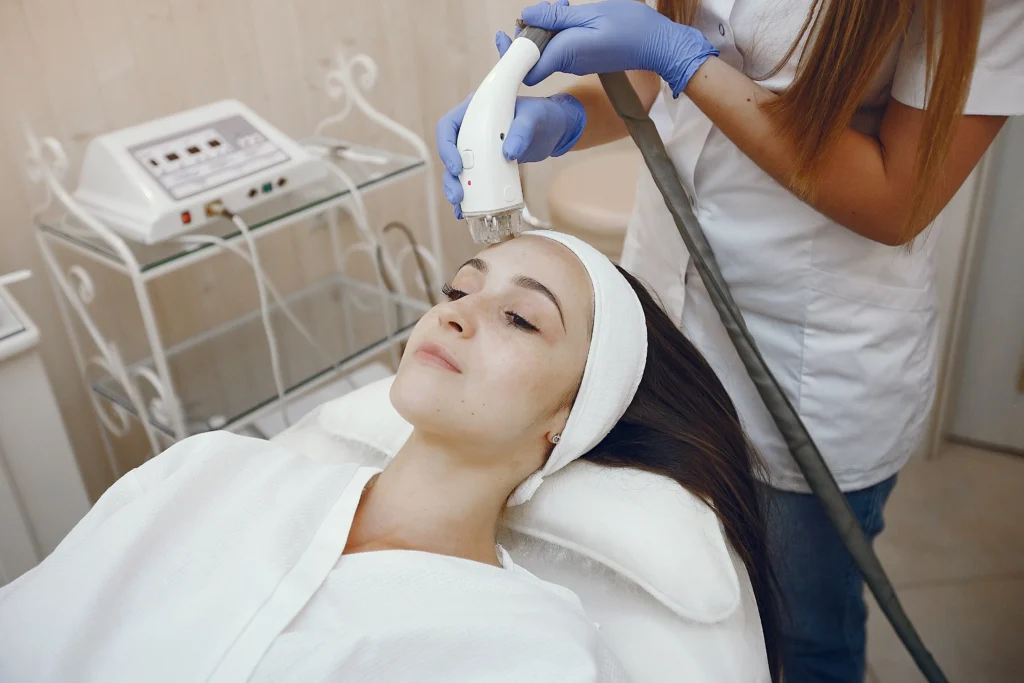
Before diving into care guidelines, it’s important to understand how Q-Switch Laser Treatment works.
This advanced laser technology delivers high-intensity pulses of light in extremely short durations. These pulses target pigmentation (melanin) or ink particles and break them down into smaller fragments, which are naturally eliminated by the body.
This makes the treatment highly effective for:
Because of its precision and safety, many patients rely on the Best Dermatologist in Newtown, Kolkata, for this procedure.
While Q-Switch Laser Treatment is non-invasive, it still affects the deeper layers of the skin. Proper care is crucial because:
Dermatologists emphasize that neglecting aftercare can lead to irritation, infection, or even reversal of results.
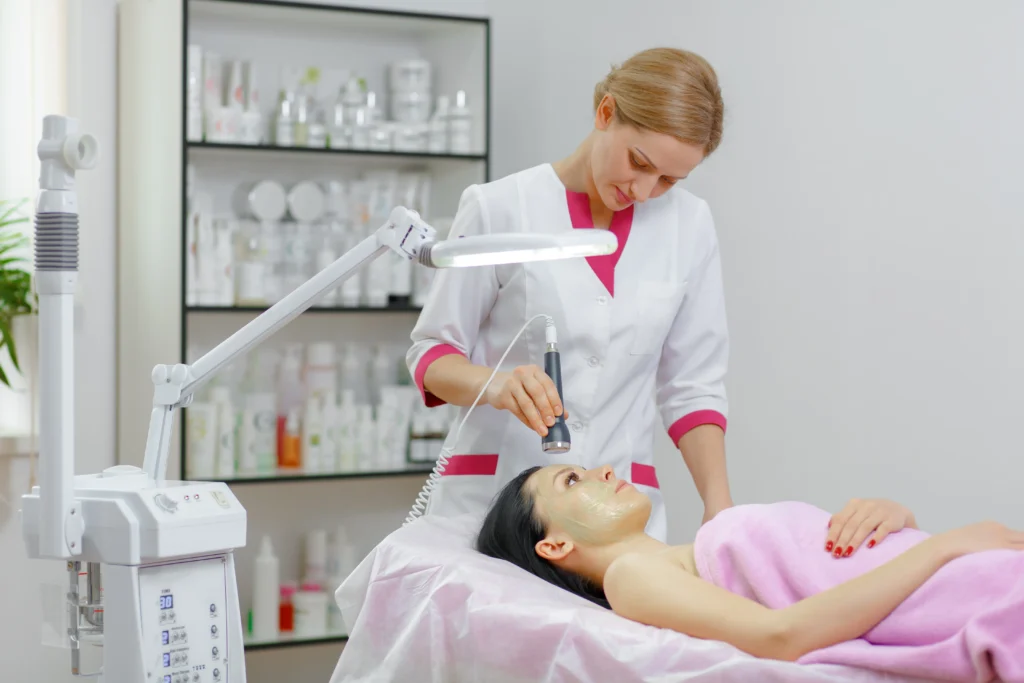
Preparing your skin properly before undergoing Q-Switch Laser Treatment is essential for safe and effective results.
Direct sun exposure should be strictly avoided for at least 2 weeks before treatment. Sun exposure increases melanin production, making the treatment less effective and increasing the risk of complications.
Use a broad-spectrum sunscreen daily, even indoors.
Certain skincare ingredients can make your skin more sensitive to laser treatment. Avoid the following at least 5–7 days before the procedure:
These products can increase irritation and sensitivity.
Whether it’s natural tanning or artificial tanning (tanning beds or self-tanners), avoid it completely before your session. Tanned skin increases the risk of burns and uneven results.
Always disclose your medical history to your dermatologist, including:
This helps the Best Dermatologist in Newtown, Kolkata customize the treatment safely for your skin type.
Healthy, hydrated skin responds better to laser treatments. Drink plenty of water and use a gentle moisturizer regularly.
Some medications like blood thinners or antibiotics may interfere with the procedure. Always consult your dermatologist before stopping any medication.
Arrive at your appointment with clean, makeup-free skin. This reduces the risk of infection and ensures better laser penetration.
Do not undergo waxing, threading, or other aggressive skin treatments in the treatment area for at least a week before your session.
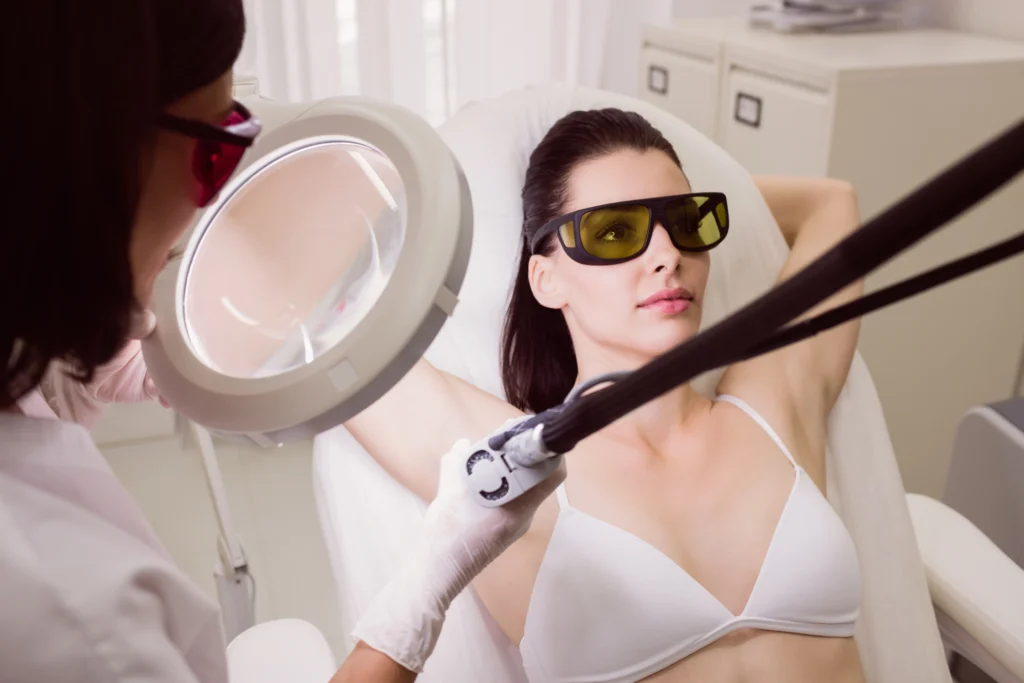
During Q-Switch Laser Treatment, you may feel mild tingling or snapping sensations on your skin. The procedure is usually quick and well-tolerated.
Some patients experience:
These are temporary and subside quickly.
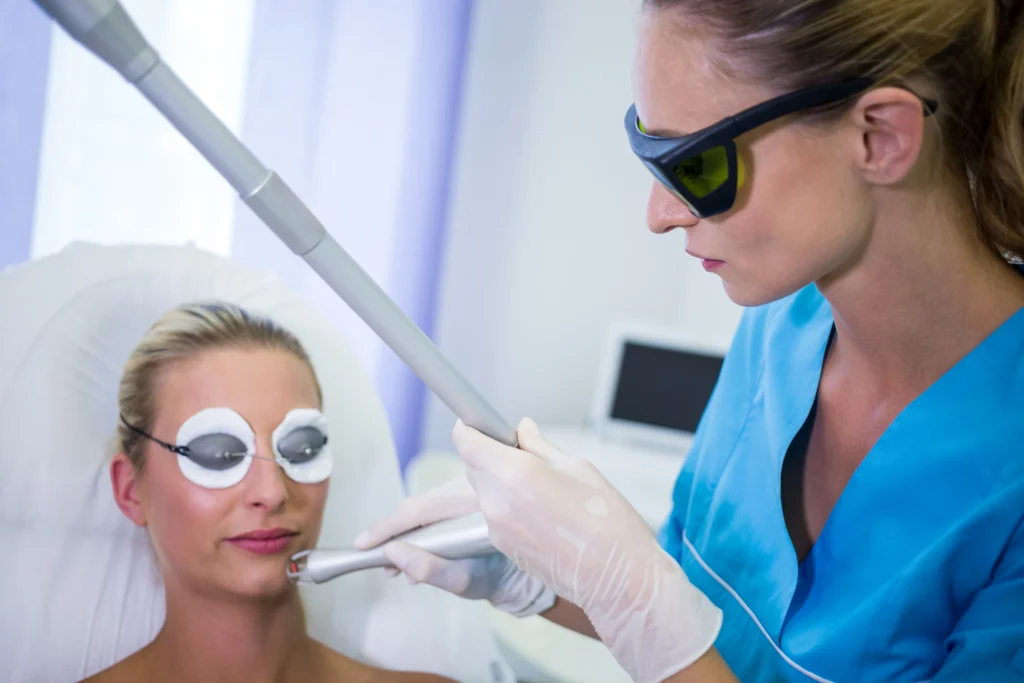
Post-treatment care plays a crucial role in achieving the best results. The skin becomes sensitive after laser exposure, so gentle care is essential.
The first 48 hours are the most critical phase.
Applying a cold compress helps reduce redness, swelling, and discomfort.
Use a mild, fragrance-free cleanser and avoid rubbing the skin.
Do not scratch, pick, or touch the treated area, as it can lead to infection or scarring.
Avoid applying makeup for at least 24–48 hours or until the skin calms down.
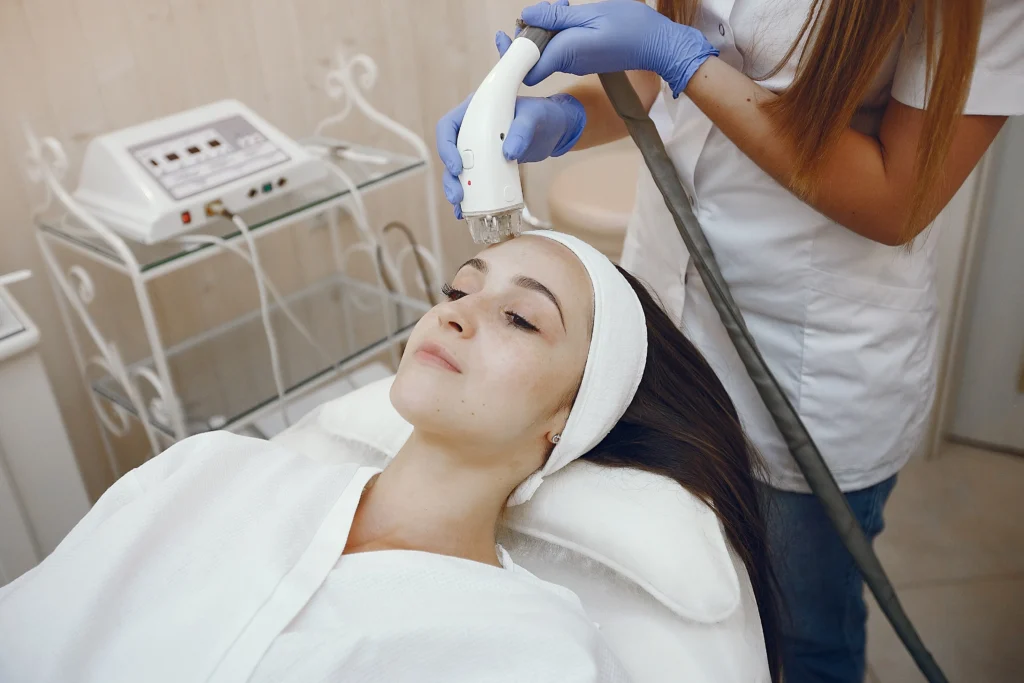
Sun protection is non-negotiable after Q-Switch Laser Treatment. Use sunscreen with SPF 50 or higher daily.
Keep your skin hydrated using a gentle, non-irritating moisturizer.
Stay away from:
Heat can aggravate inflammation and delay healing.
Do not use:
These can irritate sensitive skin.
Avoid swimming pools and hot tubs to reduce the risk of infection.
Even after healing, sunscreen is essential to prevent pigmentation from returning.
Your dermatologist may prescribe creams for pigmentation or acne. Use them as directed.
Multiple sessions are often required for optimal results. Regular follow-ups with the Best Dermatologist in Newtown, Kolkata ensure proper progress.
Healthy skin starts from within. Maintain a balanced diet, stay hydrated, and avoid smoking and alcohol.
Also Read: How to Research for the Best Dermatologist in Newtown, Kolkata?
Q-Switch Laser Treatment is one of the most popular and effective dermatological procedures for pigmentation, acne marks, and skin rejuvenation. However, several myths and misconceptions often prevent people from opting for this safe treatment. As the Best Dermatologist in Newtown, Kolkata, it’s important to separate facts from fiction so you can make informed decisions.
Q-Switch Laser Treatment is generally well-tolerated. Most patients feel only mild tingling or a slight snapping sensation during the procedure. In sensitive cases, a numbing cream may be applied to enhance comfort.
This treatment is non-invasive and highly targeted, meaning it focuses only on pigmentation or problem areas without harming surrounding skin. When performed by the Best Dermatologist in Newtown, Kolkata, it is extremely safe.
While some improvement can be seen after the first session, multiple sessions are usually required for optimal and long-lasting results. Skin concerns like pigmentation and acne scars need gradual treatment.
Q-Switch Laser Treatment is safe for all skin types, including Indian and darker skin tones. In fact, it is one of the most recommended treatments for pigmentation in such skin types.
Results are gradual and progressive. While improvements can be seen early, full results develop over multiple sessions. Maintenance and sun protection are essential to sustain outcomes.
Side effects are usually mild and temporary, such as slight redness or swelling that subsides within a few hours to days. Serious complications are rare when performed by an experienced dermatologist.
Post-treatment care is crucial. Proper sun protection, hydration, and avoiding harsh skincare products help maximize results and prevent complications.
While Q-Switch Laser Treatment is highly effective for pigmentation and certain skin concerns, it is not a universal solution. Different skin issues may require other treatments or a combination approach.
After Q-Switch Laser Treatment, mild side effects are normal, including:
These usually resolve within a few days.
Seek medical advice if you experience:
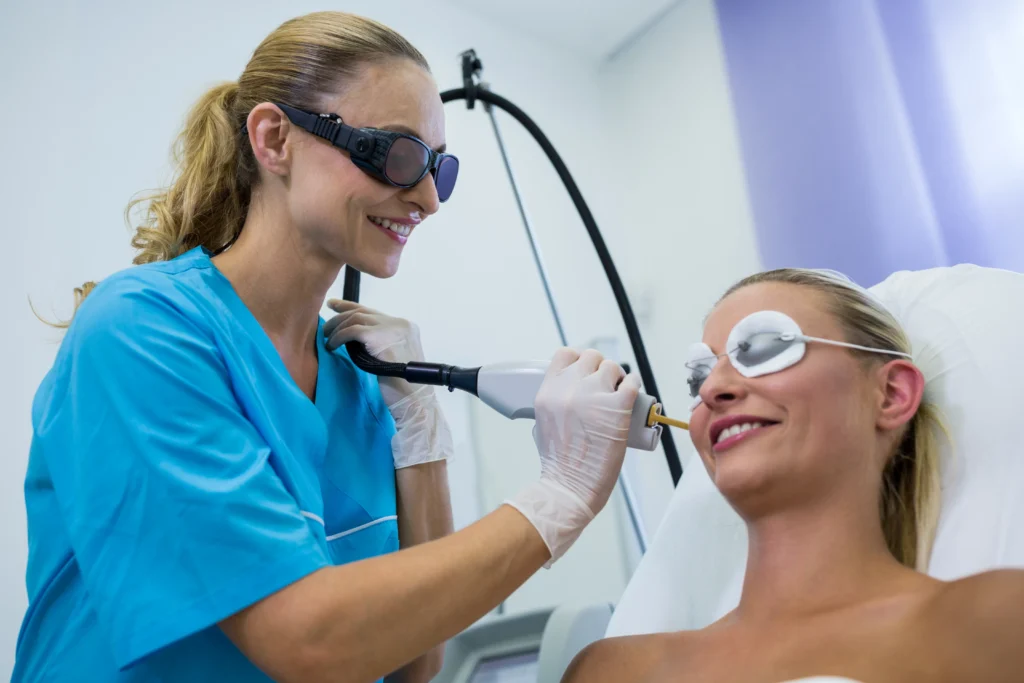
The number of sessions depends on your skin concern. Typically:
Each session is spaced a few weeks apart to allow proper healing.
Choosing the right skin procedure can be confusing with so many advanced options available. Q-Switch Laser Treatment is widely preferred for its safety and effectiveness, but how does it compare with other treatments like fractional lasers, CO₂ lasers, and chemical peels? Let’s break it down briefly.
Q-Switch Laser Treatment uses high-intensity, short pulses of laser energy to target pigmentation and skin imperfections without damaging surrounding tissue. It is ideal for:
It offers minimal downtime and is suitable for most skin types.
Choose Q-Switch Laser Treatment for pigmentation and fractional lasers for deeper skin resurfacing.
Q-Switch Laser Treatment is best for safe, gradual improvement, while CO₂ lasers are suited for severe skin issues.
Choosing an experienced professional is crucial for safe and effective results.
The Best Dermatologist in Newtown, Kolkata ensures:
An expert dermatologist also guides you through proper pre- and post-care, maximizing your results.
Avoid sun exposure, tanning, and active skincare ingredients like retinoids or acids at least 5–7 days before your Q-Switch Laser Treatment to prevent skin sensitivity.
It is best to avoid makeup for 24–48 hours after Q-Switch Laser Treatment to allow your skin to heal properly.
Yes, applying a broad-spectrum sunscreen is essential after Q-Switch Laser Treatment to protect your skin and prevent pigmentation from returning.
Use a gentle cleanser, apply a soothing moisturizer, and avoid touching or rubbing the treated area after Q-Switch Laser Treatment.
Yes, avoid heat exposure such as hot showers, saunas, heavy workouts, and swimming for a few days after Q-Switch Laser Treatment to prevent irritation and complications.
Q-Switch Laser Treatment is a revolutionary solution for achieving clearer, brighter, and healthier skin. However, the success of the treatment depends not just on the procedure but also on how well you care for your skin before and after it.
By following the right pre- and post-care guidelines, you can:
If you are considering this treatment, always consult the Best Dermatologist in Newtown, Kolkata, Dr. Nidhi Jindal, to ensure safe and personalized care.