

Hello Reader!
Welcome to the blog page of Dr. Nidhi Jindal, the best dermatologist in Newtown, Kolkata.
Hair fall is one of the most common concerns affecting both men and women today. Stressful lifestyles, pollution, nutritional deficiencies, hormonal imbalance, and improper hair care practices are all contributing factors behind excessive hair loss. While losing a few strands daily is natural, persistent hair fall can affect confidence and may indicate underlying health problems.
Understanding how to Prevent Hair Fall through proper care, nutrition, and medical guidance is essential for maintaining healthy and strong hair. According to many experts, consulting the Best Dermatologist in Newtown, Kolkata, can help identify the root cause early and prevent long-term damage to the scalp and hair follicles.

Hair goes through a natural growth cycle consisting of growth, resting, and shedding phases. Normally, people lose around 50–100 strands daily. However, when hair shedding exceeds normal limits or hair stops growing back properly, it becomes a concern.
Common signs of excessive hair fall include:
Seeking advice from the Best Dermatologist in Newtown, Kolkata can help determine whether your hair fall is temporary or linked to medical conditions.
Lack of essential nutrients such as iron, protein, zinc, biotin, and vitamin D can weaken hair roots. Poor diet is one of the leading causes of hair fall among young adults.
Physical and emotional stress can disrupt the hair growth cycle and trigger sudden hair shedding.
Hormonal conditions such as thyroid disorders, PCOS, pregnancy-related hormonal changes, and menopause may lead to excessive hair fall.
Dust, pollution, and excessive exposure to sunlight can damage the scalp and hair shaft, making hair weak and prone to breakage.
Frequent heat styling, hair coloring, chemical treatments, and harsh shampoos can damage hair follicles.
Conditions such as alopecia, scalp infections, dandruff, and autoimmune disorders may contribute to hair loss.
Proper diagnosis from the Best Dermatologist in Newtown, Kolkata can help identify the exact cause and provide effective treatment solutions.

Nutrition plays a major role in hair health. Eating a balanced diet rich in vitamins, minerals, and proteins helps strengthen hair follicles.
A protein-rich diet is particularly important to Prevent Hair Fall naturally.
A healthy scalp creates the perfect environment for hair growth. Wash your hair regularly using a mild shampoo suitable for your hair type.
Consulting the Best Dermatologist in Newtown, Kolkata can help you choose the right products according to your scalp condition.

Frequent use of straighteners, curling irons, and blow dryers weakens the hair shaft and causes breakage.
Reducing heat exposure significantly improves hair strength and texture.
Hair oiling improves blood circulation to the scalp and nourishes hair roots.
Gentle scalp massage helps relax the mind and supports healthy hair growth.

Stress is one of the hidden causes of excessive hair fall. Practicing stress management techniques can help improve hair health.
Managing mental well-being is important to Prevent Hair Fall in the long term.
Dehydration can make hair dry, brittle, and weak. Drinking enough water helps nourish the scalp and maintain healthy hair texture.
Experts recommend drinking adequate water daily for overall hair and skin health.
Tight ponytails, buns, and braids put excessive pressure on hair roots, leading to traction alopecia.
Protecting hair roots is essential to Prevent Hair Fall and maintain scalp health.
Not every shampoo or serum suits every scalp type. Using unsuitable products may worsen hair loss.
The Best Dermatologist in Newtown, Kolkata can guide you toward the most suitable hair care routine.
Dandruff, fungal infections, and itchy scalp conditions can damage hair follicles and lead to severe hair fall if ignored.
Timely treatment is important to Prevent Hair Fall caused by scalp disorders.
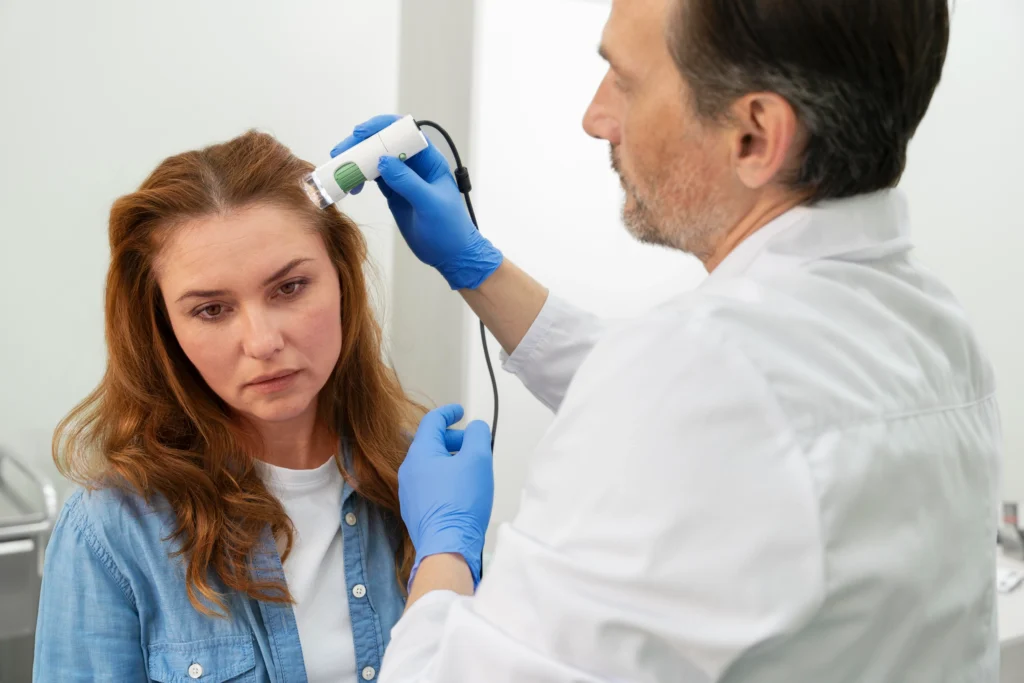
Sometimes hair fall may be linked to underlying health conditions such as anemia, thyroid imbalance, or hormonal disorders.
A professional consultation with the Best Dermatologist in Newtown, Kolkata can help diagnose medical issues through proper evaluation and blood tests.
Also Read: Pre and Post Care for Q-Switch Laser Treatment
If lifestyle changes alone are not enough, dermatological treatments may help control hair loss effectively.
Advanced dermatological solutions offered by the Best Dermatologist in Newtown, Kolkata can help restore hair growth and improve scalp health.
Several natural remedies may support hair health when used consistently.
Aloe vera soothes the scalp and reduces irritation.
Rich in sulfur, onion juice may help improve blood circulation to hair follicles.
Fenugreek contains protein and nicotinic acid that may strengthen hair roots.
Green tea contains antioxidants that support healthy scalp conditions.
While home remedies can help, professional consultation is important for persistent or severe hair loss.
Hair fall can happen for many reasons beyond genetics. In fact, a large number of patients visiting a dermatologist for hair loss do not have “typical” hereditary baldness; instead, their shedding is triggered by lifestyle, medical, or environmental factors.
If you are noticing more hair fall than usual and are not sure whether it is “just genetics,” it is best to see a dermatologist in Kolkata (for example, a reputed dermatologist in Newtown, Kolkata) who can check your scalp, order blood tests if needed, and address the correct underlying cause rather than just treating the symptom.
Several blood tests can help identify non‑genetic causes of hair fall, such as hormonal imbalances, nutritional deficiencies, or underlying diseases. A dermatologist usually chooses a selective panel based on your history and examination.
If you live in Kolkata and are worried about hair fall, a dermatologist at a reputable clinic (for example, a leading dermatologist in Newtown, Kolkata) can interpret these tests in context of your scalp exam, diet, and lifestyle, and then suggest whether the problem is reversible, treatable, or partially genetic.
You should seek medical advice if you notice:
The Best Dermatologist in Newtown, Kolkata can provide customized treatment plans based on your scalp and hair condition.

Maintaining a healthy diet, reducing stress, using mild hair products, and keeping the scalp clean are some of the best ways to prevent hair fall naturally.
Yes, deficiencies in protein, iron, vitamin D, and biotin can weaken hair roots and increase hair fall. A balanced diet helps support healthy hair growth.
Excessive stress can disrupt the hair growth cycle and lead to temporary hair shedding. Managing stress through exercise, meditation, and proper sleep may help reduce hair fall.
Hair should be washed regularly according to scalp type. Overwashing or using harsh shampoos may damage hair, while poor scalp hygiene can also contribute to hair fall.
You should consult a dermatologist if you notice severe hair thinning, bald patches, sudden excessive hair loss, or persistent scalp problems despite proper hair care.
Hair fall can occur due to multiple reasons, ranging from stress and poor nutrition to hormonal imbalance and scalp disorders. Following a healthy lifestyle, maintaining proper scalp hygiene, and choosing the right hair care practices can significantly help to Prevent Hair Fall naturally.
Early diagnosis and timely treatment are crucial for protecting hair health and avoiding permanent hair thinning. Consulting the Best Dermatologist in Newtown, Kolkata, like Dr. Nidhi Jindal, can help identify the exact cause and offer advanced solutions tailored to your needs.