
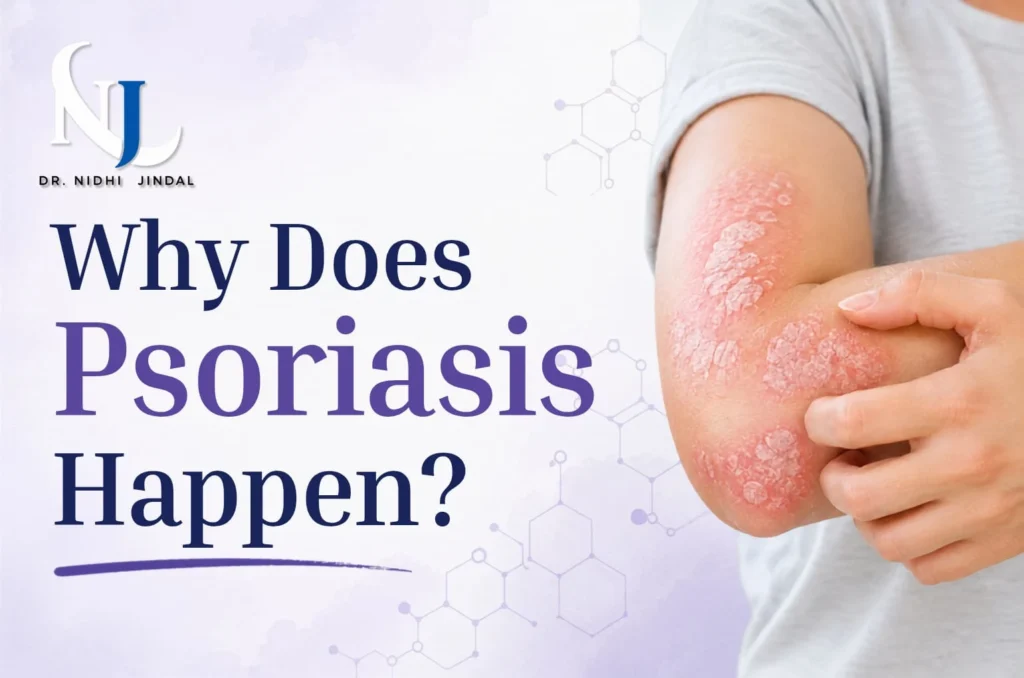
Psoriasis is a chronic autoimmune skin condition that causes rapid skin cell buildup, resulting in thick, scaly patches. It can affect people of all ages and may impact physical comfort and emotional well-being. Understanding its causes, symptoms, triggers, and types helps patients seek timely treatment and manage flare-ups more effectively for healthier skin.
Consulting the best dermatologist in Newtown, Kolkata is important for accurate psoriasis diagnosis and personalized treatment. Psoriasis varies in severity and type, requiring expert evaluation. Early intervention can help reduce symptoms, prevent complications, and improve quality of life. Professional dermatological care supports long-term skin health and effective disease management for patients.
The best skin specialist in Newtown, Kolkata can identify psoriasis early, explain what are the main types of psoriasis, manage triggers, and create effective treatment plans. For more details visit: https://www.youtube.com/watch?v=sPpVYcypSYU
Psoriasis is a long-term autoimmune skin disease in which the immune system mistakenly speeds up skin cell production. Instead of shedding normally, skin cells accumulate on the surface, forming red, inflamed, itchy, and scaly patches. The condition is not contagious and often follows periods of flare-ups and remission.
Psoriasis is a chronic inflammatory condition affecting the skin, nails, and sometimes joints. Healthy skin cells typically renew every 28–30 days. In psoriasis, this process may occur within 3–7 days, causing excess skin cells to accumulate rapidly.
The condition can appear anywhere on the body, including:
Psoriasis can range from mild localized patches to extensive body involvement.
Psoriasis develops due to a combination of immune system dysfunction, genetics, and environmental triggers.
The immune system mistakenly attacks healthy skin cells, causing inflammation and accelerated skin cell turnover.
Psoriasis often runs in families.
Risk factors include:
Having a family history increases the likelihood of developing the condition but does not guarantee it.
Even when genetic predisposition exists, external triggers often activate psoriasis.
Symptoms vary depending on the type and severity.
Understanding what are the main types of psoriasis helps determine the most effective treatment strategy.
Approximately 80–90% of psoriasis cases are plaque psoriasis.
This type frequently appears after bacterial infections such as strep throat.
Inverse psoriasis develops where skin rubs against skin.
Characterized by White Pus-Filled Blisters
Despite their appearance, the pustules are not infectious.
This form affects large areas of the body and requires immediate medical attention.
Many patients with nail psoriasis may later develop psoriatic arthritis.
Severe cases may extend beyond the hairline.
Some individuals with psoriasis develop psoriatic arthritis.
Early diagnosis can prevent permanent joint damage.
Family History
Genetics play a major role.
Smoking
Smoking increases disease severity.
Obesity
Excess weight contributes to inflammation.
Stress
Emotional stress frequently triggers flare-ups.
Bacterial and viral infections can worsen symptoms.
A skin treatment specialist typically diagnoses psoriasis through:
Clinical Examination
Visual assessment of skin lesions.
Medical History
Review of symptoms and family history.
Skin Biopsy
Sometimes performed to confirm diagnosis.
Used for mild cases.
Examples
Controlled ultraviolet light exposure can reduce symptoms.
Used for moderate to severe psoriasis.
Examples
Biologic Therapies
Target specific immune pathways involved in psoriasis.
Advantages
Moisturize Daily
Keeps skin hydrated and reduces scaling.
Manage Stress
Stress reduction may help decrease flare frequency.
Maintain Healthy Weight
Weight control improves treatment outcomes.
Avoid Smoking
Smoking can worsen disease severity.
Limit Alcohol
Alcohol may trigger flare-ups in some patients.
Although no specific diet cures psoriasis, healthy eating supports overall wellness.
Helpful Foods
Foods to Limit
Consult a dermatologist if:
Early treatment often leads to better long-term outcomes.
For individuals seeking professional skin care support, Dr Nidhi Jindal focuses on evidence-based dermatological evaluation and personalized management strategies. Accurate diagnosis is essential because psoriasis can resemble eczema, fungal infections, and other inflammatory skin disorders. A customized treatment plan helps improve symptom control and long-term skin health.
| Type | Main Features | Common Areas |
| Plaque Psoriasis | Thick red plaques with scales | Elbows, knees, scalp |
| Guttate Psoriasis | Small drop-like spots | Arms, legs, trunk |
| Inverse Psoriasis | Smooth red patches | Skin folds |
| Pustular Psoriasis | White pustules | Hands, feet, body |
| Erythrodermic Psoriasis | Widespread redness | Entire body |
| Nail Psoriasis | Nail changes | Fingernails, toenails |
| Scalp Psoriasis | Flaking and scales | Scalp |
What causes psoriasis to develop?
Psoriasis develops due to immune system dysfunction, genetic predisposition, and environmental triggers such as stress, infections, smoking, and skin injuries.
Is psoriasis contagious?
No. Psoriasis cannot spread through physical contact, sharing objects, or close interaction.
What are the main types of psoriasis?
The main types include plaque psoriasis, guttate psoriasis, inverse psoriasis, pustular psoriasis, erythrodermic psoriasis, nail psoriasis, and scalp psoriasis.
Can psoriasis be cured permanently?
Currently, there is no permanent cure. However, treatments can effectively control symptoms and reduce flare-ups.
Does stress make psoriasis worse?
Yes. Stress is one of the most common triggers and can worsen existing symptoms.
Can psoriasis affect joints?
Yes. Some patients develop psoriatic arthritis, which causes joint pain, stiffness, and swelling.
Which doctor should I consult for psoriasis?
A qualified dermatologist can diagnose psoriasis, determine its type, and recommend appropriate treatment options.
Psoriasis is a chronic autoimmune condition influenced by genetics, immune dysfunction, and environmental triggers. Understanding its causes and recognizing the different types allows patients to seek timely treatment and improve symptom control. Consulting the best skin care clinic in Newtown can help ensure accurate diagnosis, personalized care, and long-term management for healthier skin and better quality of life.