
Hello Reader!
Welcome to the blog page of Dr. Nidhi Jindal, one of the best Dermatologist in Newtown, Kolkata.
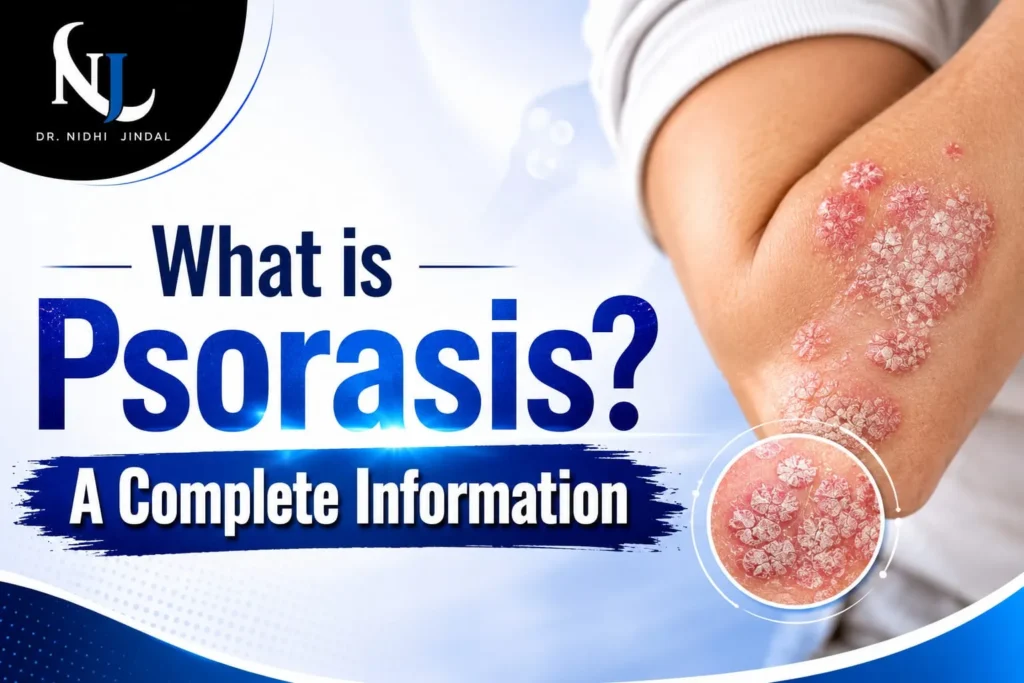
Psoriasis is a chronic autoimmune skin condition that affects millions of people worldwide. Although it is a common skin disorder, many people still have misconceptions about it. If you have been searching for What is Psoriasis, its causes, symptoms, treatment options, and ways to manage it effectively, this comprehensive guide will help you understand everything you need to know. If you are experiencing persistent skin problems, consulting the Best Dermatologist in Newtown, Kolkata can help you receive an accurate diagnosis and personalized treatment plan.
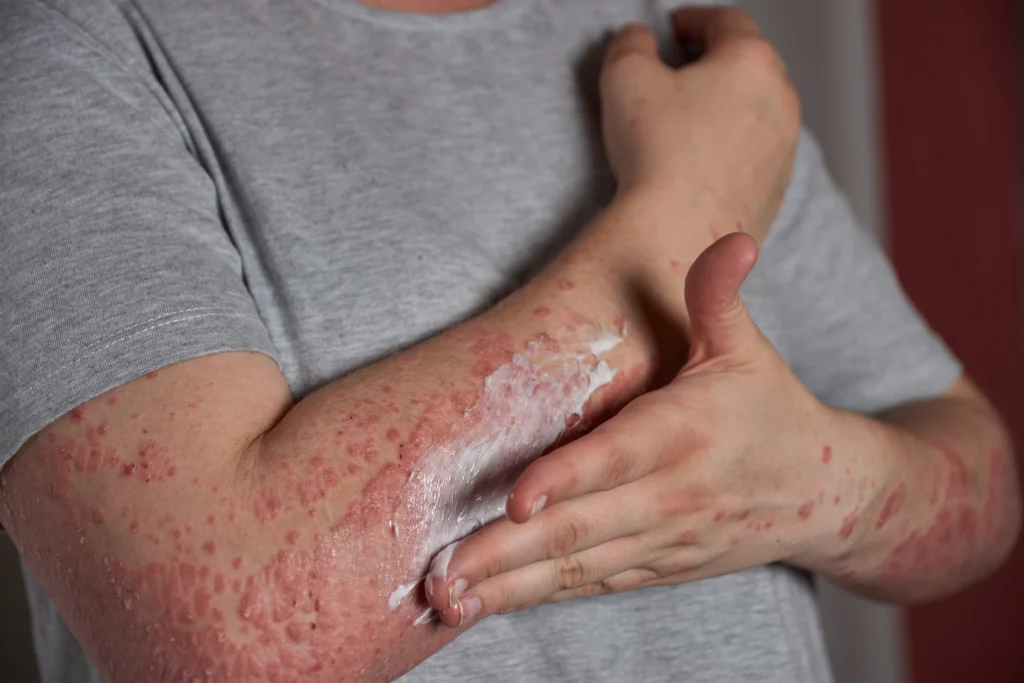
The first question many patients ask is, “What is Psoriasis?” Psoriasis is a long-term inflammatory skin disease caused by an overactive immune system. Normally, skin cells regenerate every 28–30 days. However, in psoriasis, the immune system speeds up this process, causing skin cells to multiply within just 3–5 days. As a result, dead skin cells accumulate on the skin’s surface, forming thick, red, inflamed patches covered with silvery-white scales.
Although many people search online for What is Psoriasis, the correct medical spelling is Psoriasis. It is not contagious, meaning it cannot spread from one person to another through touch or close contact.
If you notice persistent scaly patches or recurring skin irritation, visiting the Best Dermatologist in Newtown, Kolkata is the best way to receive proper evaluation and treatment.
Psoriasis is considered an autoimmune disorder. In autoimmune diseases, the body’s immune system mistakenly attacks healthy tissues. In psoriasis, immune cells trigger inflammation, leading to excessive production of skin cells.
The condition can affect:
In severe cases, psoriasis may also affect the joints, resulting in psoriatic arthritis.
Many people overlook the early symptoms of psoriasis, mistaking them for dry skin or allergies. Recognizing the warning signs early can help prevent the condition from worsening and allow for timely treatment.
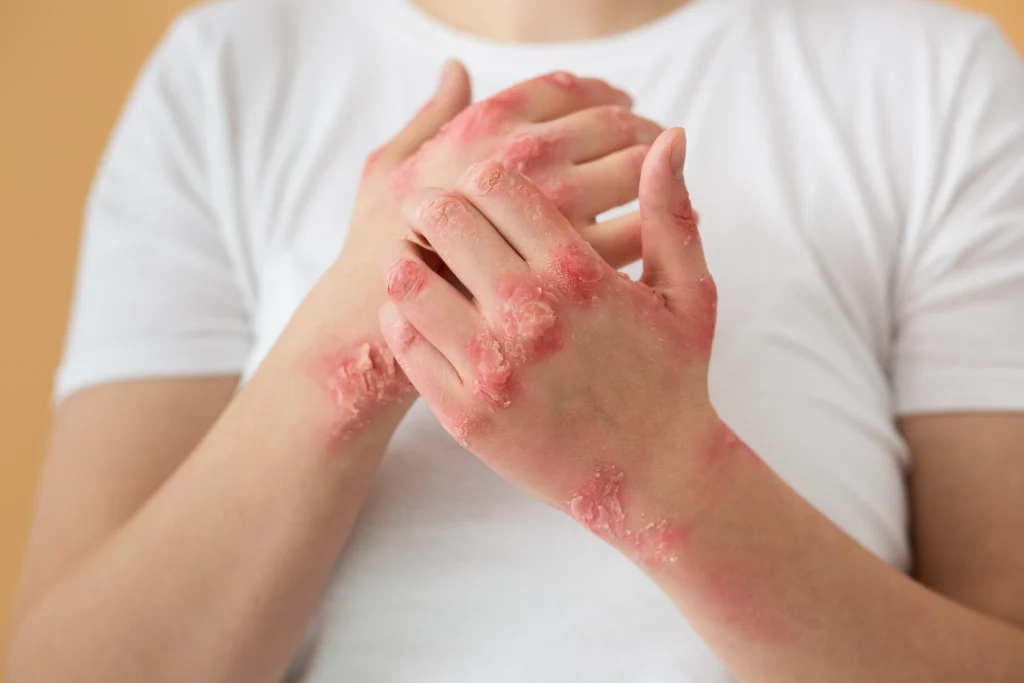
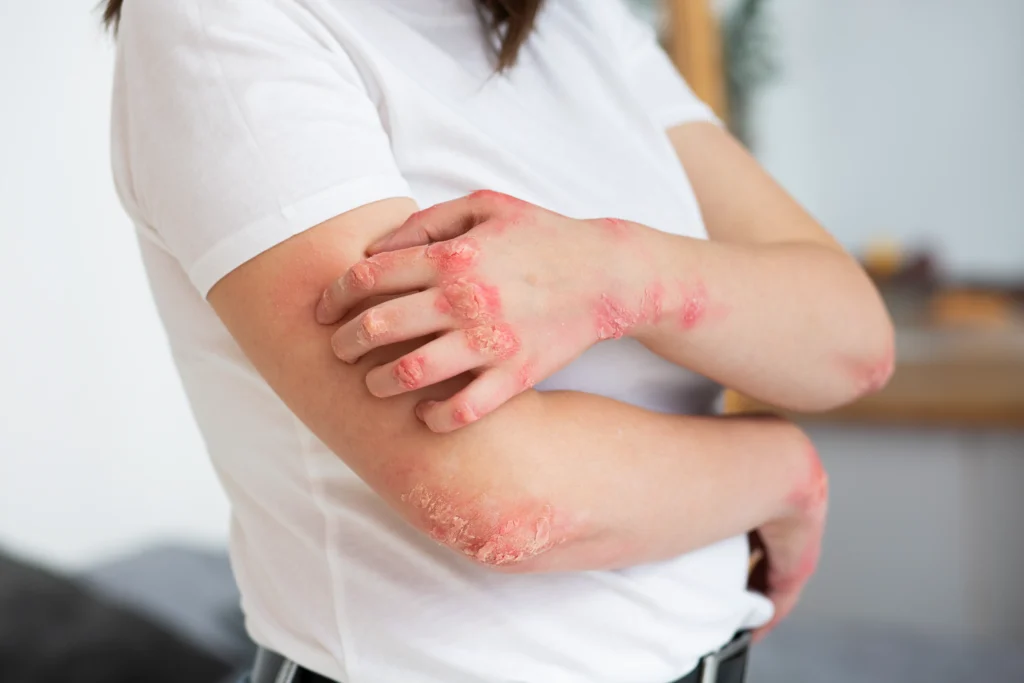
The most common early signs of psoriasis include small red or pink patches on the skin covered with silvery-white scales. These patches often appear on the elbows, knees, scalp, lower back, or hands. Persistent itching, burning, or soreness in the affected areas is also a common symptom. Some people may notice dry, cracked skin that occasionally bleeds, while others experience thickened, discolored, or pitted nails.
In some cases, joint pain or stiffness may develop even before noticeable skin changes, which could indicate psoriatic arthritis. Symptoms often appear in cycles, with flare-ups followed by periods of improvement.
If you notice any of these signs, don’t ignore them. Consulting Dr. Nidhi Jindal, the Best Dermatologist in Newtown, Kolkata, can help ensure an accurate diagnosis and early treatment. Prompt medical care can effectively manage psoriasis, reduce flare-ups, and improve your overall quality of life.
Many people searching What is Psoriasis also want to know what causes it.
The exact cause remains unknown, but experts believe it results from a combination of genetic and environmental factors.
Common causes include:
People with a family history of psoriasis are more likely to develop the condition.
The immune system mistakenly attacks healthy skin cells, causing rapid skin cell growth.
Various external factors may trigger or worsen psoriasis, including:
The Best Dermatologist in Newtown, Kolkata can help identify your individual triggers and recommend preventive measures.
Understanding What is Psoriasis also involves knowing its different forms.
This is the most common type, characterized by raised red patches covered with silvery scales.
Appears as small drop-shaped lesions, commonly after bacterial infections like strep throat.
Occurs in skin folds such as:
The skin appears smooth, red, and inflamed.
Features white pus-filled blisters surrounded by red skin.
A rare but severe form causing widespread redness, peeling, and severe discomfort. It requires immediate medical attention.
People researching What is Psoriasis should know the warning signs.
Symptoms include:
Symptoms may come and go in cycles, with periods of flare-ups followed by remission.
Psoriasis can affect anyone regardless of age or gender.
Risk factors include:
One of the biggest myths surrounding What is Psoriasis is that it spreads from person to person.
The answer is No.
Psoriasis is not contagious. You cannot catch it by:
This misunderstanding often causes unnecessary social stigma.
An experienced dermatologist usually diagnoses psoriasis through:
The doctor examines the affected skin, nails, and scalp.
Family history and previous symptoms are reviewed.
In uncertain cases, a small skin sample may be taken to confirm the diagnosis.
Consulting the Best Dermatologist in Newtown, Kolkata ensures accurate diagnosis and appropriate treatment.
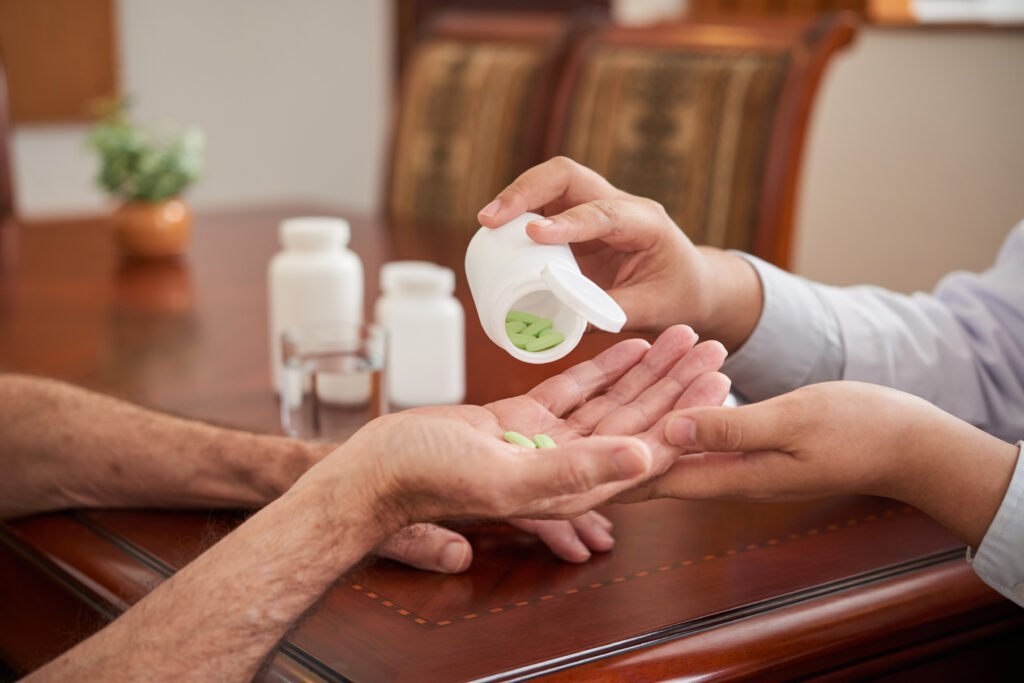
Although psoriasis has no permanent cure, effective treatments can significantly reduce symptoms and improve quality of life.
These include:
Controlled ultraviolet (UV) light helps slow abnormal skin cell growth.
This treatment is often recommended for moderate psoriasis.
For moderate to severe cases, doctors may prescribe:
These medications require regular medical supervision.
Biologics target specific immune pathways responsible for psoriasis.
These advanced medications are highly effective for severe psoriasis and psoriatic arthritis.
The Best Dermatologist in Newtown, Kolkata will determine the most suitable treatment based on the severity of your condition.
Also Read: What Are the Best Ways to Prevent Hair Fall?
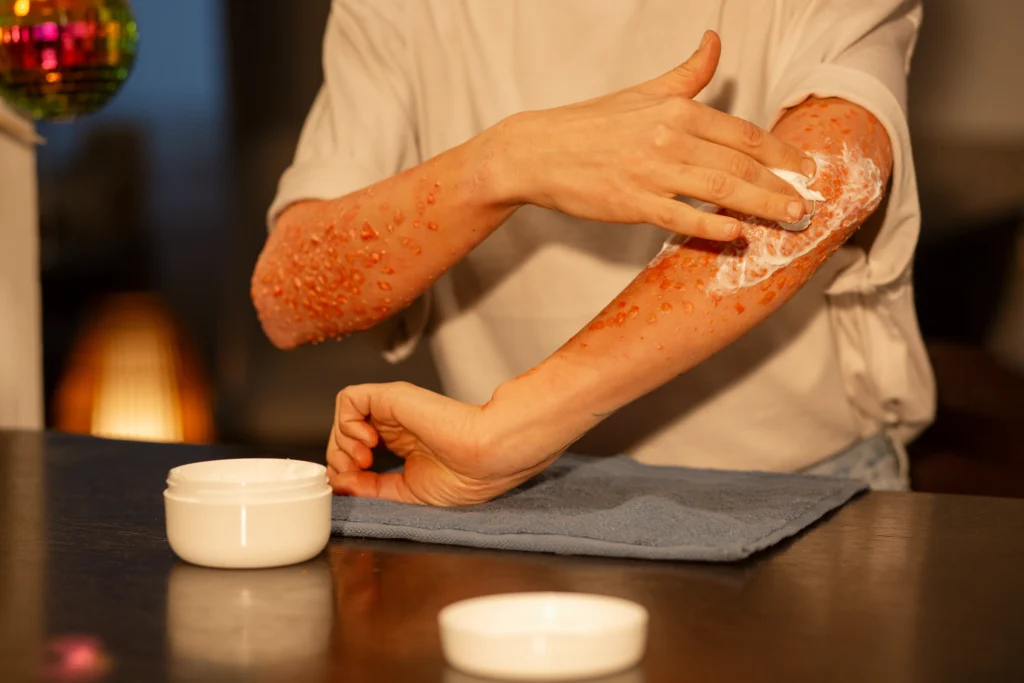
Along with medical treatment, lifestyle modifications play an important role.
Use fragrance-free moisturizers daily.
Cuts and scratches can trigger new psoriasis patches.
Yoga, meditation, and exercise can reduce flare-ups.
Include:
Limit processed foods, excessive sugar, and alcohol.
Obesity may worsen psoriasis symptoms.
Smoking increases the severity of psoriasis.
Living with psoriasis can affect emotional well-being.
Many patients experience:
Seeking medical care early and receiving proper treatment can greatly improve confidence and quality of life.
Psoriasis treatment has advanced significantly in recent years, offering more effective and personalized options than ever before. These modern therapies not only help control symptoms but also improve the quality of life for people living with psoriasis.
Biologic medications target specific parts of the immune system responsible for psoriasis. They are highly effective for moderate to severe cases and can significantly reduce inflammation and skin lesions.
New oral treatments work by blocking specific inflammatory pathways that trigger psoriasis. These medications provide an effective alternative for patients who may not be suitable candidates for biologic therapy.
Modern phototherapy uses controlled ultraviolet (UV) light to slow excessive skin cell growth. It is a safe and effective option for many patients when administered under the supervision of a dermatologist.
Since every patient’s condition is unique, treatment plans are now tailored based on the severity of psoriasis, affected areas, overall health, and lifestyle. This personalized approach leads to better long-term results and fewer flare-ups.

Psoriasis is more than just a skin condition—it is a chronic autoimmune disease that can be influenced by emotional and psychological factors. Among the most common triggers, stress plays a significant role in causing psoriasis flare-ups and making existing symptoms worse. Understanding this connection can help patients better manage their condition and improve their overall well-being.
When you experience stress, your body releases hormones such as cortisol and adrenaline. These hormones can affect the immune system, leading to increased inflammation. Since psoriasis is an immune-mediated condition, this inflammation can trigger new patches or worsen existing ones. In many cases, stress and psoriasis create a cycle where stress causes flare-ups, and the visible symptoms lead to even more emotional distress.
Stress-induced psoriasis may cause:
If you notice these changes during stressful periods, it is important to consult the Best Dermatologist in Newtown, Kolkata for timely evaluation and treatment.
While stress cannot always be avoided, healthy coping strategies can help minimize its impact on psoriasis. Regular exercise, meditation, yoga, deep breathing exercises, adequate sleep, and spending time on enjoyable activities can all help reduce stress levels. Maintaining a healthy lifestyle and following your dermatologist’s treatment plan are equally important for controlling symptoms.
Yes.
Nail psoriasis may cause:
Proper treatment can help prevent permanent nail damage.
Approximately 20–30% of psoriasis patients may develop psoriatic arthritis.
Symptoms include:
Early diagnosis prevents long-term joint damage.
There is no guaranteed way to prevent psoriasis, but flare-ups can often be minimized by:
Regular follow-ups with the Best Dermatologist in Newtown, Kolkata can help keep symptoms under control.
Seek medical attention if you notice:
Early treatment helps prevent complications and improves long-term outcomes.

1. What is psoriasis?
Psoriasis is a chronic autoimmune skin condition that causes skin cells to multiply too quickly, leading to red, scaly, and itchy patches on the skin.
2. Is psoriasis contagious?
No. Psoriasis is not contagious and cannot spread from one person to another through touch or close contact.
3. What are the common symptoms of psoriasis?
Common symptoms include red patches with silvery scales, dry or cracked skin, itching, burning, soreness, and thickened or pitted nails.
4. What triggers psoriasis flare-ups?
Flare-ups can be triggered by stress, infections, skin injuries, certain medications, cold weather, smoking, and excessive alcohol consumption.
5. Can psoriasis be cured?
There is currently no permanent cure for psoriasis, but with proper treatment and lifestyle changes, symptoms can be effectively managed and flare-ups can be reduced.
Psoriasis requires expert diagnosis and individualized care. As the Best Dermatologist in Newtown, Kolkata, Dr. Nidhi Jindal provides comprehensive evaluation, advanced treatment options, and personalized guidance to help patients effectively manage psoriasis and improve their quality of life. From topical therapies and phototherapy to advanced biologic treatments, every care plan is tailored to the patient’s unique needs.
If you have been wondering What is Psoriasis, it is a chronic autoimmune skin condition that causes rapid skin cell buildup, leading to thick, scaly, inflamed patches. While there is currently no permanent cure, modern treatments can effectively control symptoms, reduce flare-ups, and improve quality of life. Early diagnosis, proper medical care, healthy lifestyle choices, and regular follow-up are key to managing the condition successfully.
If you or a loved one is experiencing symptoms of psoriasis, don’t ignore them. Schedule a consultation with Dr. Nidhi Jindal, the Best Dermatologist in Newtown, Kolkata, for expert diagnosis, compassionate care, and the latest treatment options to achieve healthier skin and better overall well-being.